
Pictured: Pennyroyal patch full of Honeybees and Bumblebees 8/16/26.
| This week brought unexpected surprises, new blooms, and incredible discoveries during my walks in the woods. Best of all, it is finally time to start planting for the fall harvest! Enjoy! Amy | Table of Contents: ~ When Nature Catches You Off-guard! ~ Spying on Wildlife: Trail-cam Videos! ~ The Birds: Discovering with the Merlin App ~ Woods Walks: Hidden Finds & Plants ~ The Garden: New Blooms & Harvests ~ Garden Guide: Phenology at Work ~ The Funnies: Plant & Nature Humor ~ The Blog: Upcoming Editions |
When Nature Catches You Off-guard!
I was coming out of the barn on Monday and was caught completely off guard by a sudden dust devil spinning past the threshold. In old regional folklore, these sudden, localized columns of wind were treated with deep, silent respect—a momentary reminder that the atmosphere has its own wild, independent rhythms right at our doorsteps. Once it passed, I had to pick grass out of my hair and wipe the dust from my eyes. Nature is messy!
Spying on Wildlife: Trail-cam Videos!
The creek log gave us something special again this week! Look how many babies this poor mama opossum has to carry across the water.
The Birds: Discovering with the Merlin App
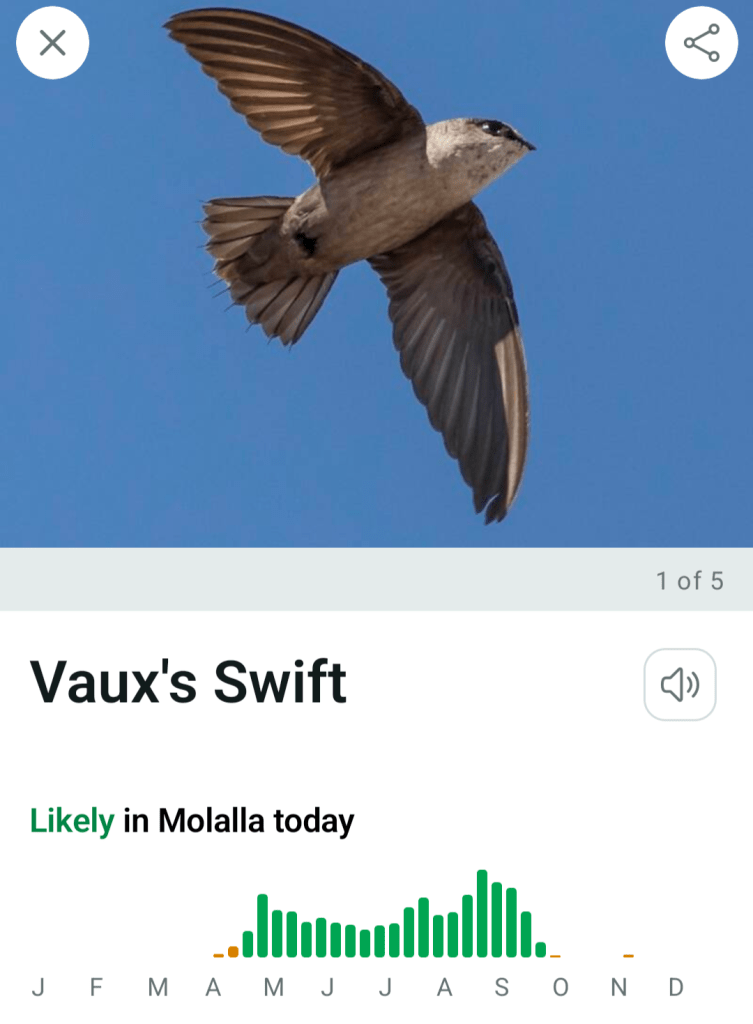
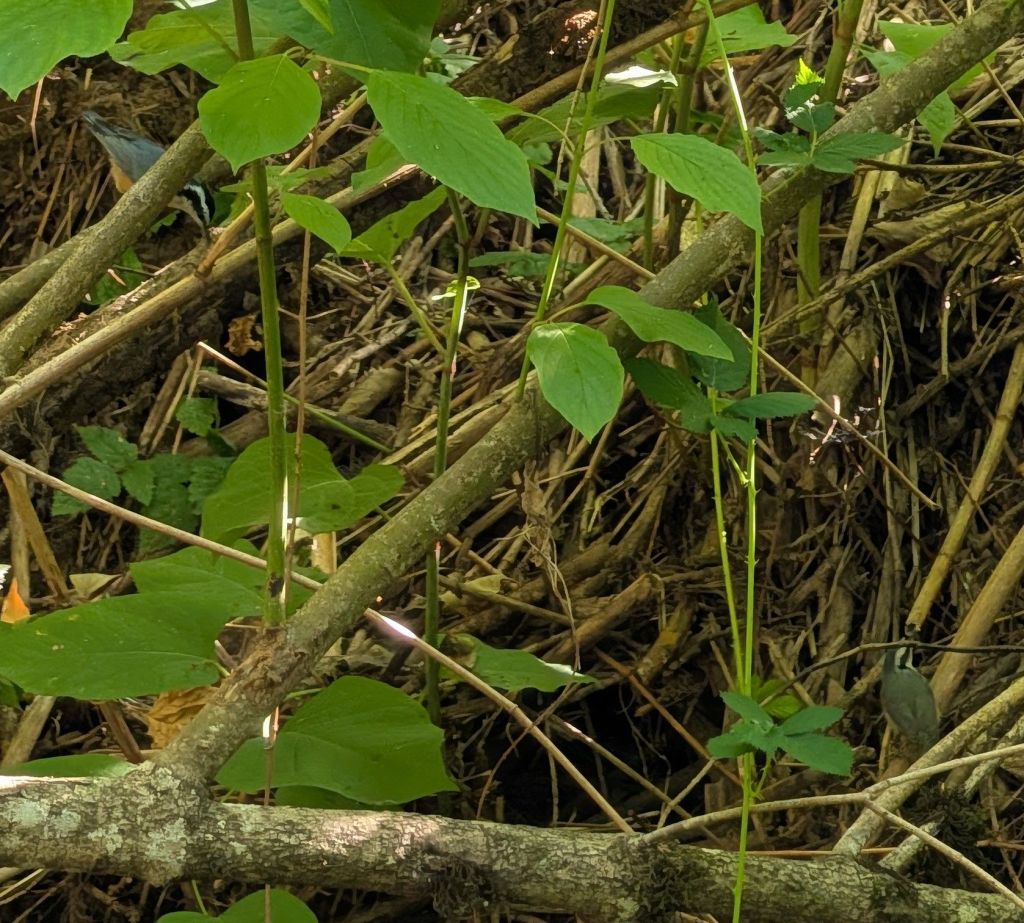
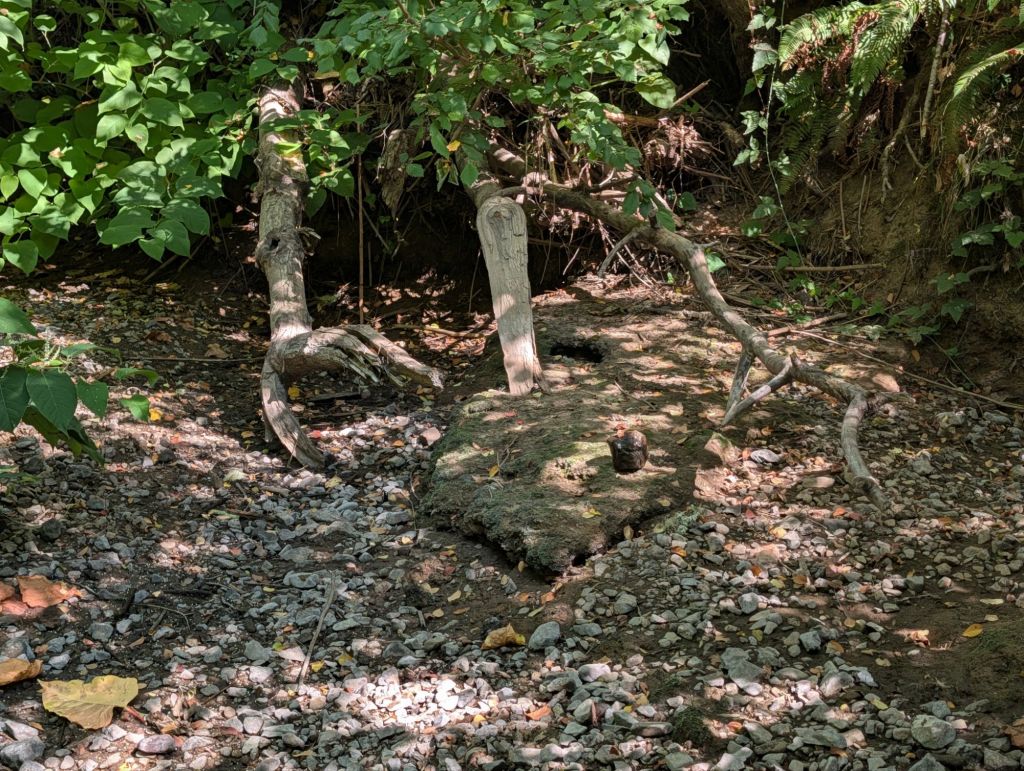
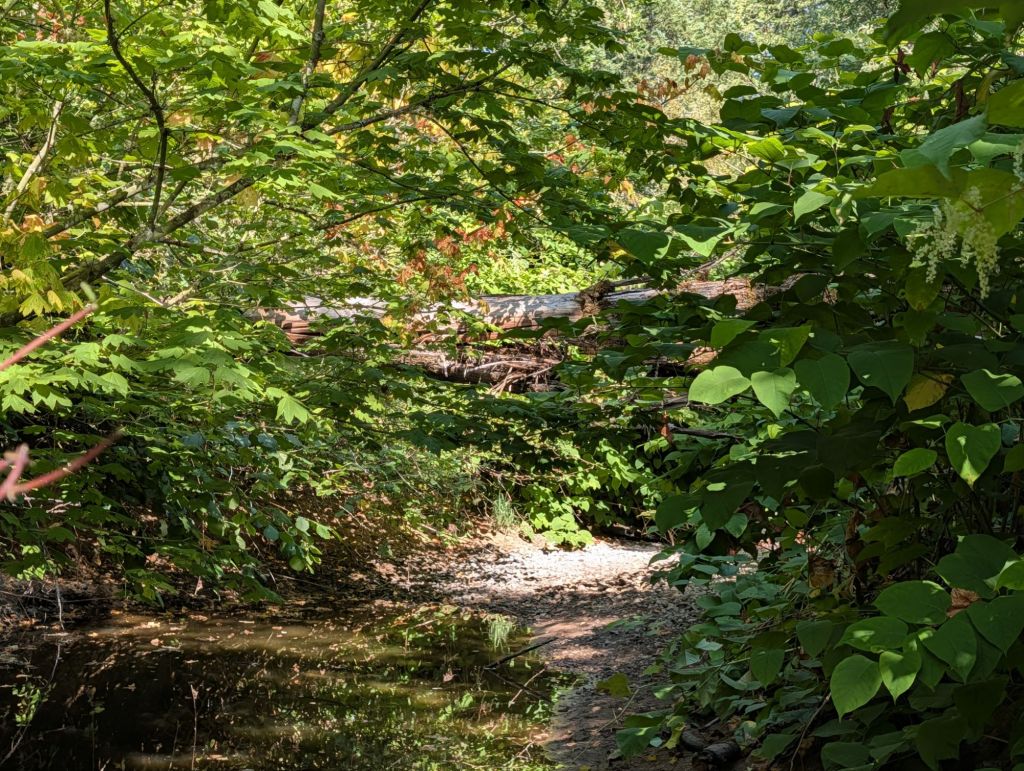
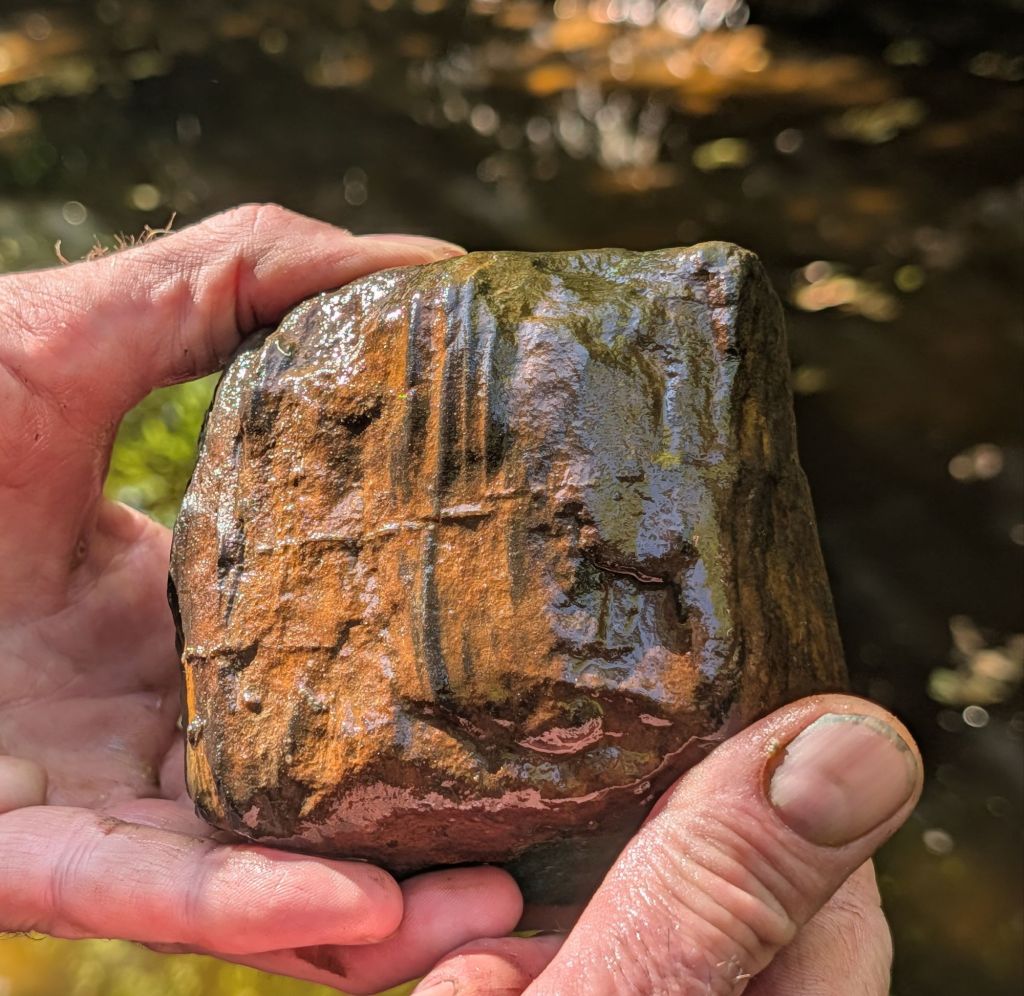
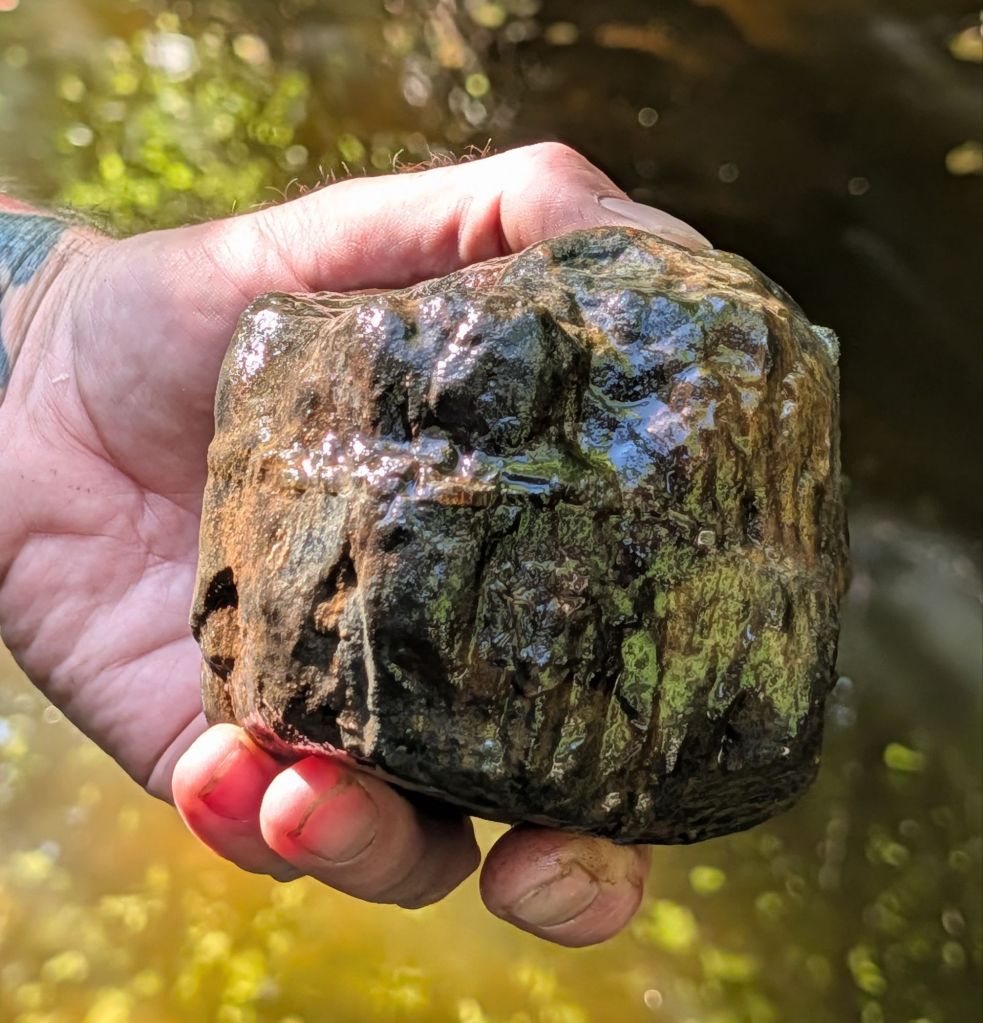
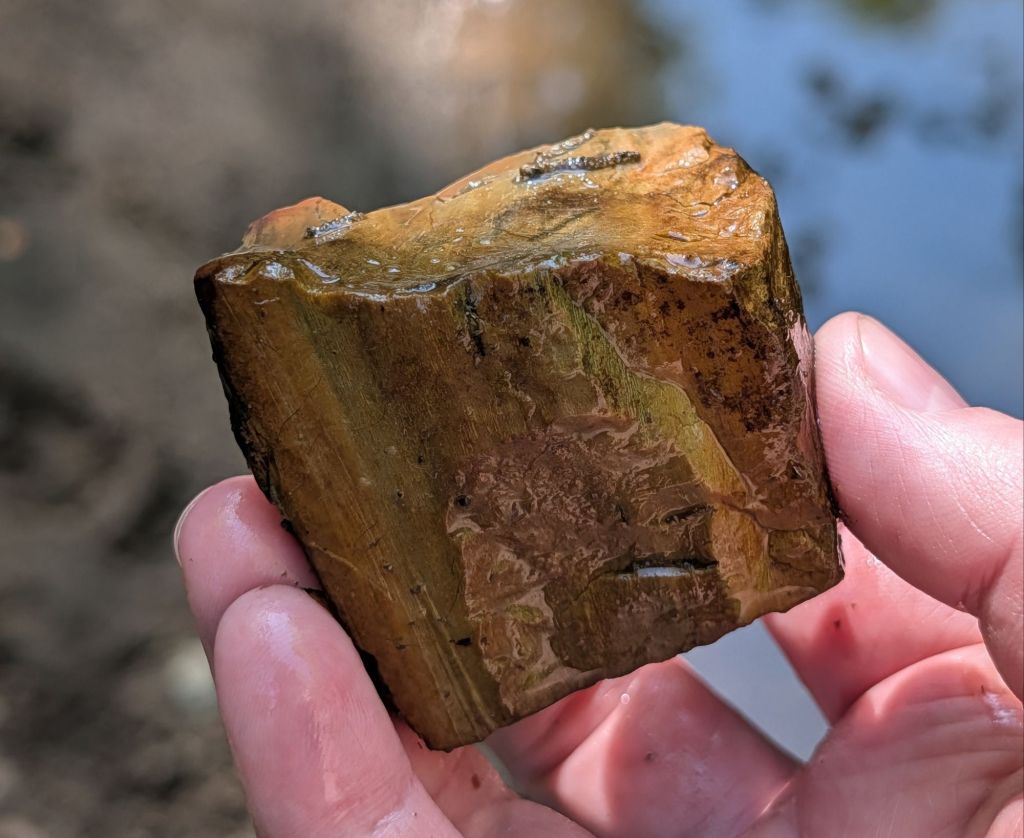
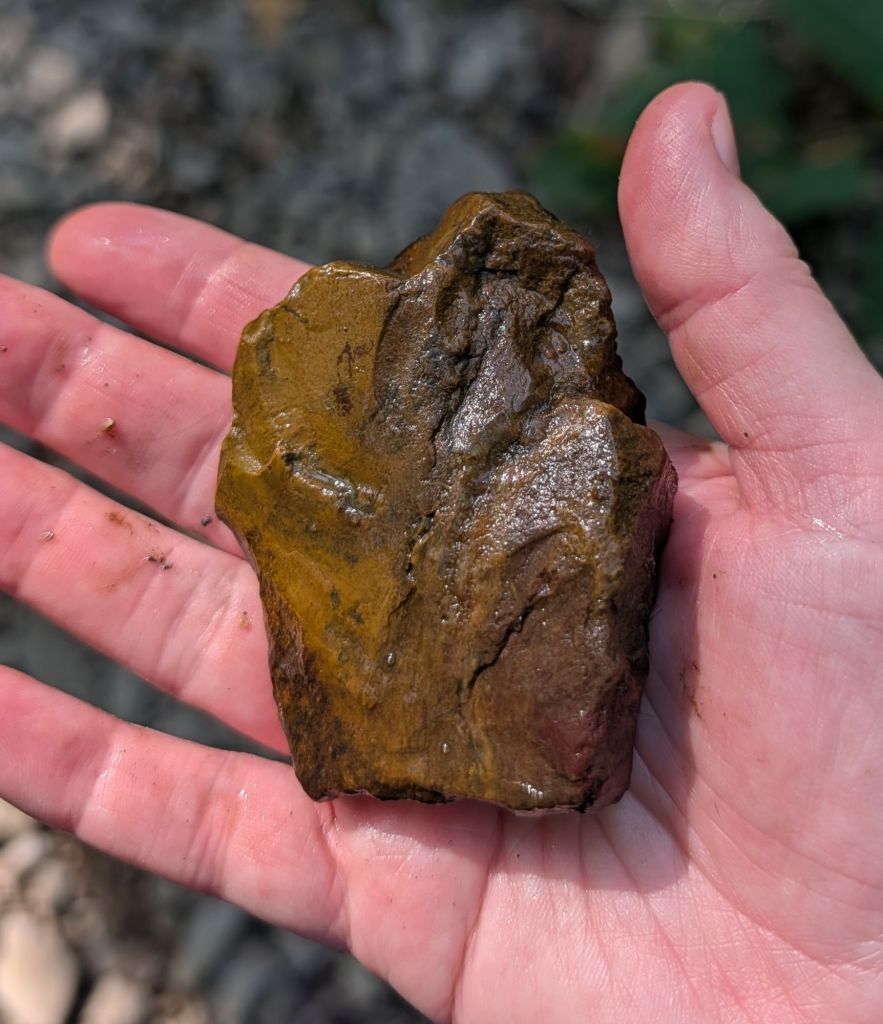
Shane and I both managed to get another Merlin App “life bird” this Sunday: the Vaux’s Swift! Since the creek isn’t running, we went down into the dry bed to look for cool rocks and ended up with some great company. A flock of Bushtits swarmed the brush right above us, and a Red-breasted Nuthatch hung out right next to me, too!

Woods Walks: Hidden Finds & Plants
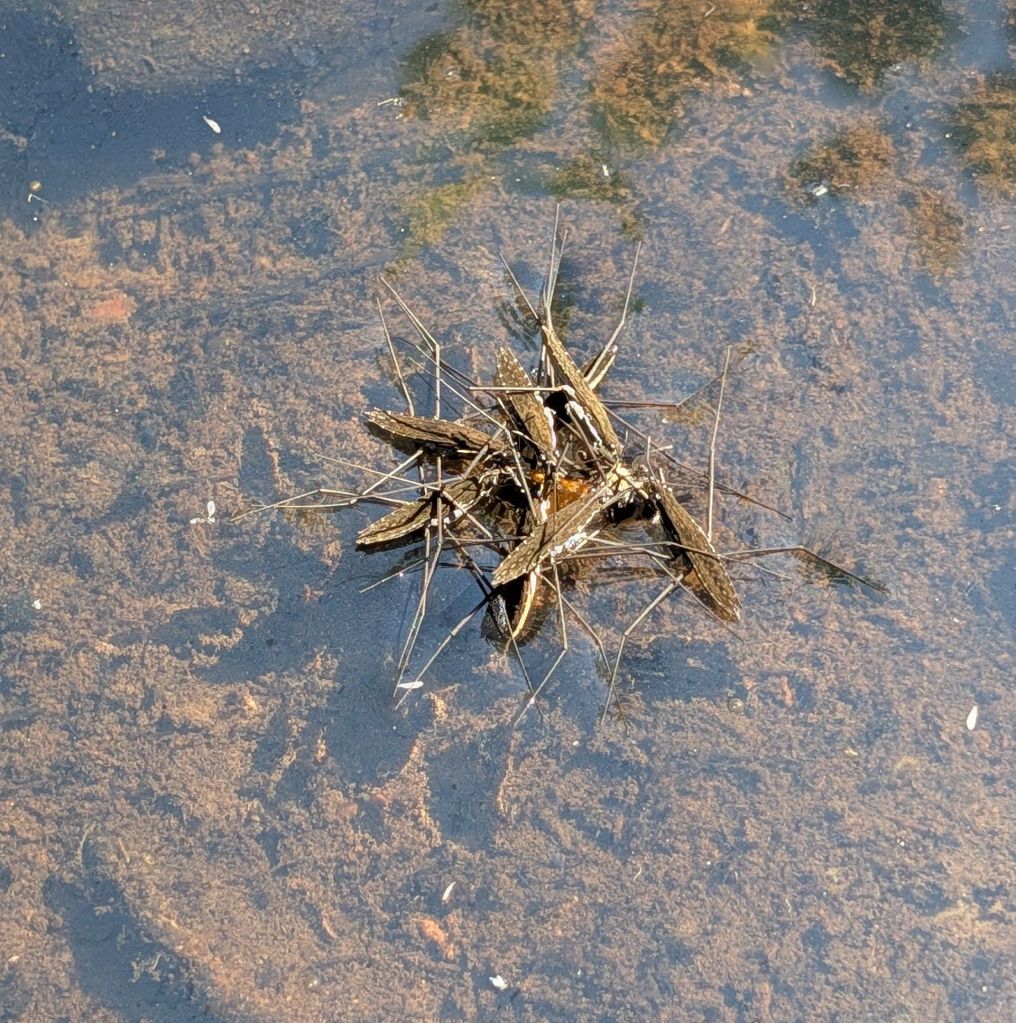
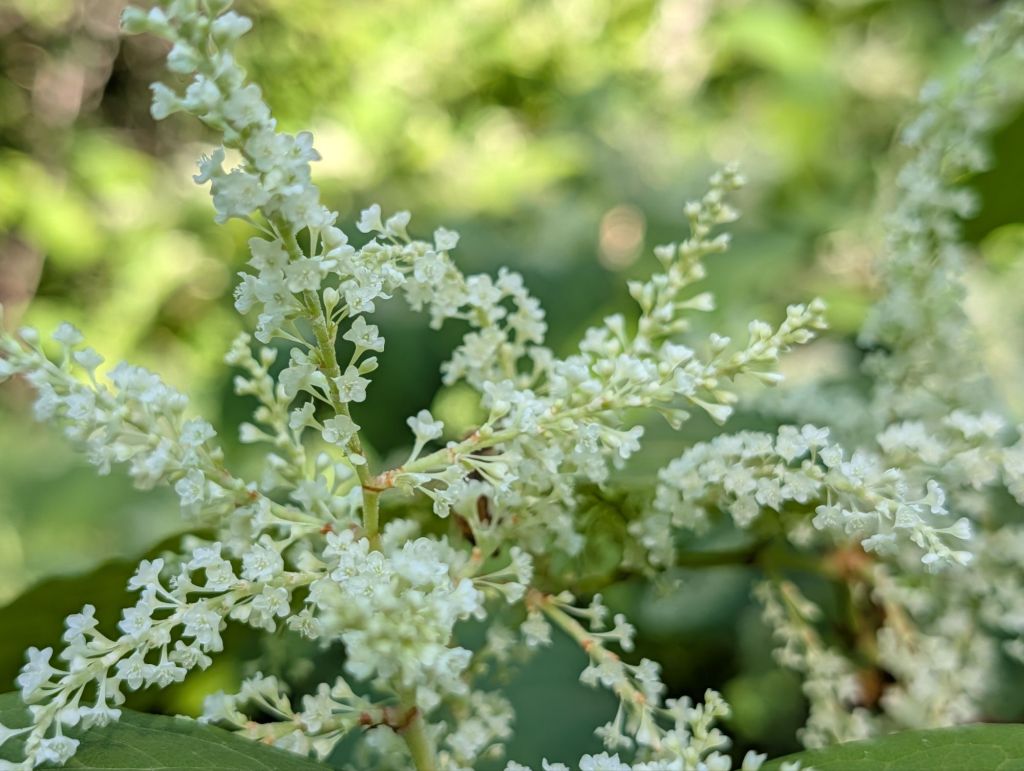
The Japanese knotweed is in full bloom and covered in honeybees! I took a video of them enjoying the flowers, as well as several getting drinks from the still-water puddles along the creek bottom.
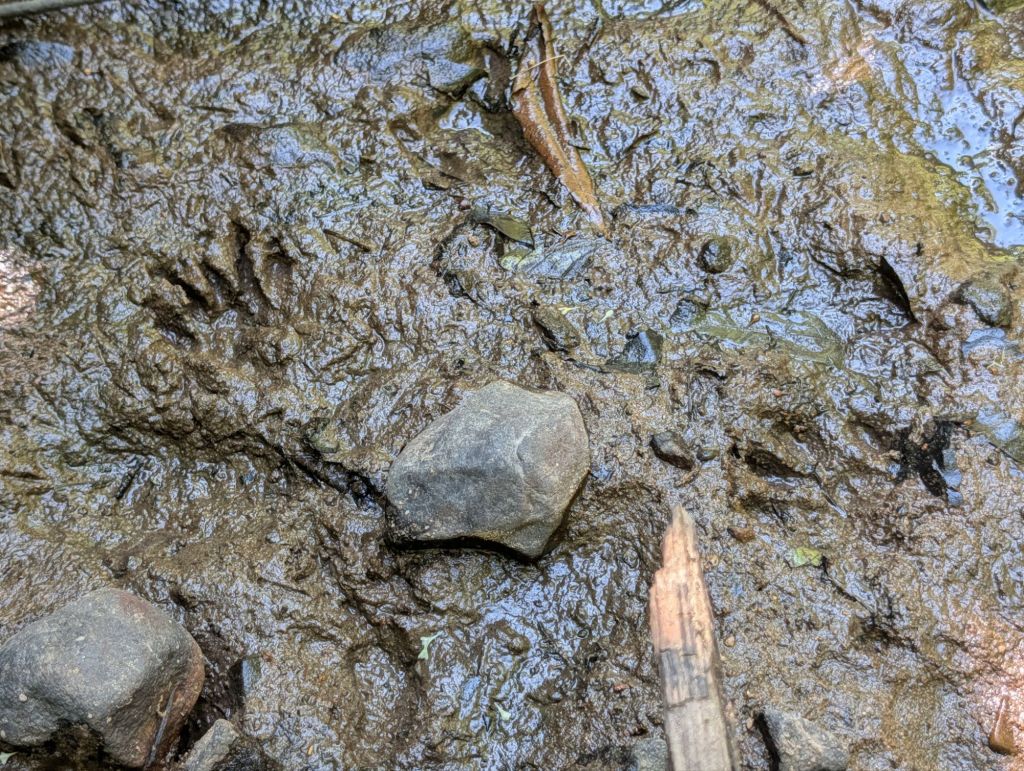
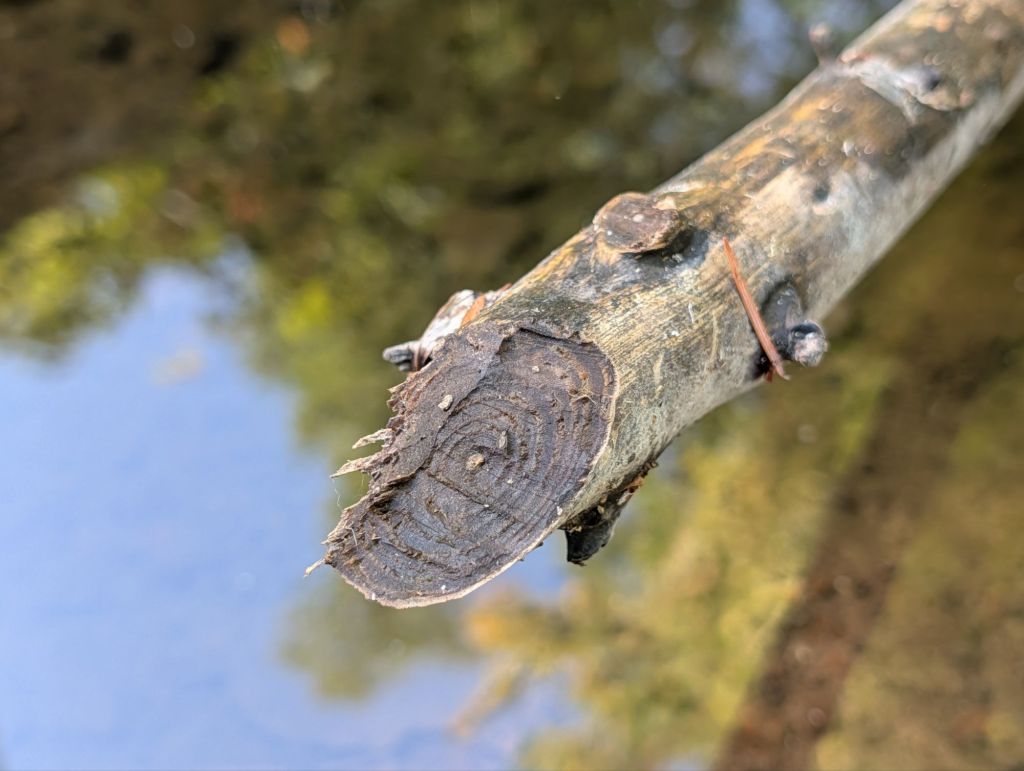
Here are a few more snapshots from down in the creek bed:



Blooms on our woods walk:
- Japanese Knotweed (Reynoutria japonica)
- Pennyroyal (Mentha pulegium)
- Bittersweet Nightshade (Solanum dulcamara)

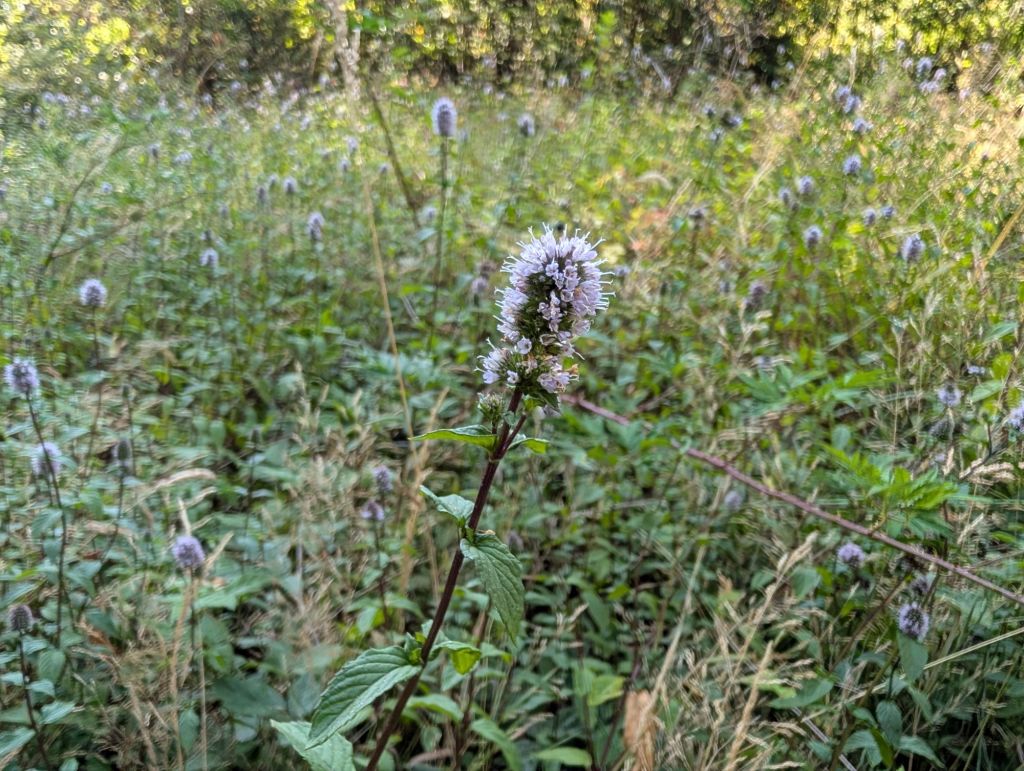
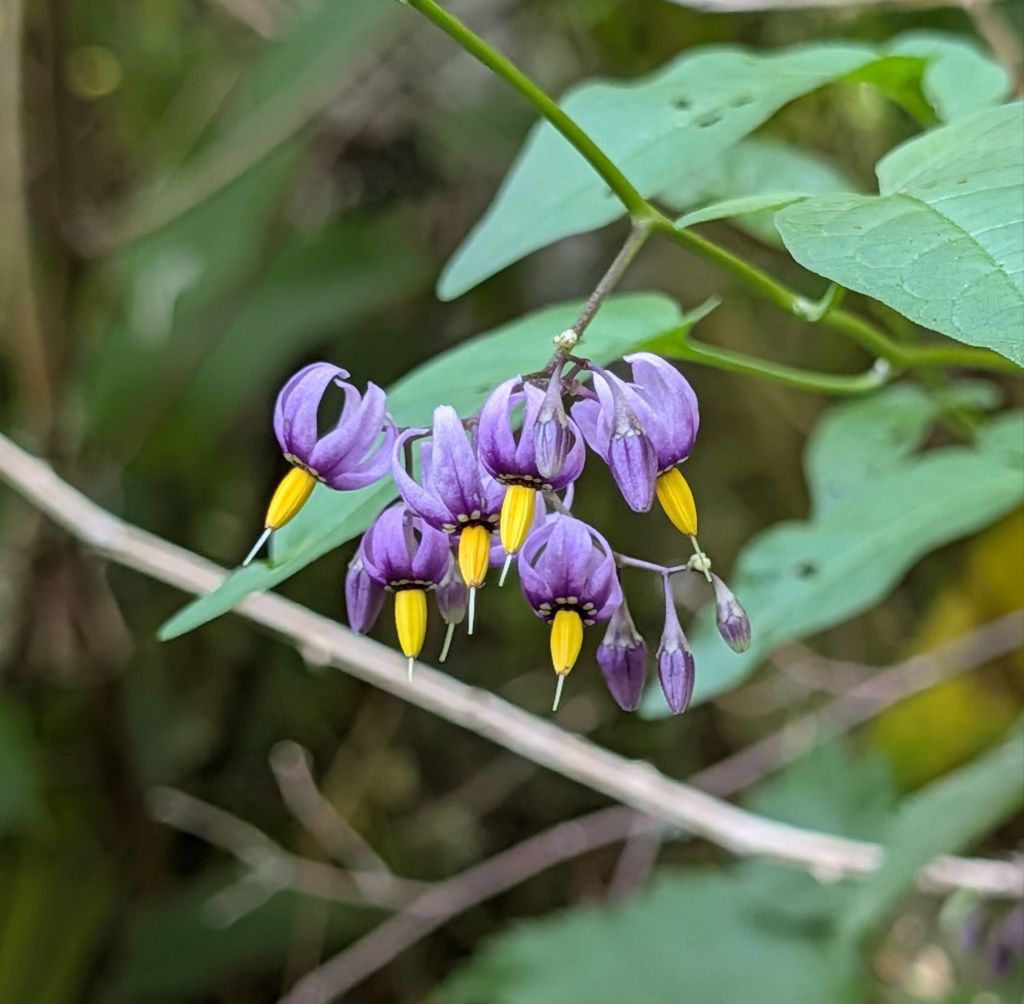
There are still Himalayan Blackberries in fruit, though in some of the drier areas they are shriveling on the vines. The Cutleaf Evergreen Blackberries are starting to get ripe but Shane spit one out when I coerced him into trying one hahaha. Just NOT sweet like the Himalayans.
The Garden: New Blooms & Harvests
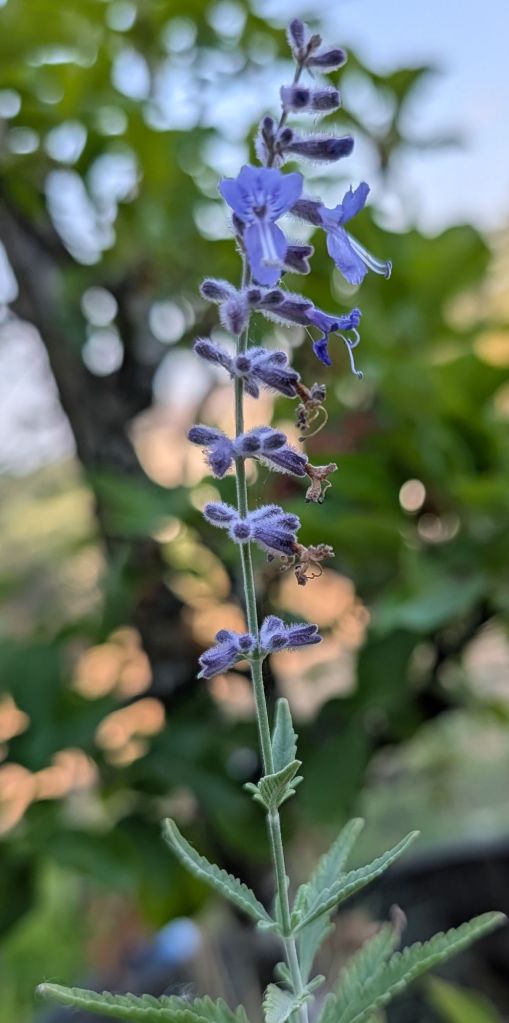
The Russian sage (Perovskia atriplicifolia) has been blooming beautifully this week, and Shane brought in some fantastic harvests! He gathered “Champion” radishes, green onions (regrown from grocery store scraps), lettuce, a variety of red bell pepper, and a cucumber that went straight to our chickens.

Garden Guide: Phenology at Work
I switched to using phenology to plan my garden, so I created a practical planting guide to help you do the same! Instead of following a rigid calendar, phenology means watching local indicator plants to know exactly when the soil is ready for your crops.
Note: If you grow any of your crops in containers or bucket gardens, expect your phenological timeline to move faster than what is happening in the ground. Because containers are exposed to the ambient summer air on all sides, their soil temperatures are significantly elevated compared to the earth. Whether it is root development, leafy green production, or warm-season fruiting; expect bucket-grown crops to hit their harvest triggers up to two weeks earlier than their in-ground counterparts!
What to look for in Mid-August:
– Himalayan Blackberries at peak ripeness
Transplant for Fall Crops:
– Kale
– Broccoli
– Cauliflower
– Brussels Sprouts (If you have heard the rumor that Brussels sprouts taste better after a frost, it is 100% true! Cold autumn temperatures trigger these plants to convert their starches into natural sugars, making them incredibly sweet and flavorful. Planting them now ensures they hit maturity right as our first Zone 8 winter frosts arrive.)
Provide temporary shade cloth or leafy branch covers for newly transplanted brassicas for the first 3-5 days to prevent heat scorch.
Harvest immediately as they become ready:
– Beets
– Swiss Chard
– Pole Beans (Keep picking your pole beans every 2–3 days! Regular harvesting prevents the pods from getting tough and woody, while signaling the vine to keep pumping out new flowers for a continuous autumn yield.)
– Cherry Tomatoes
– Eggplant
– Peppers
– Tomatillos
– Cucumbers
– Summer Squash
– Melons (look for that creamy yellow under-belly)
– Himalayan Blackberries
– Evergreen Huckleberries
– Figs
– Asian Pears
– European Pears
– Apples
– Italian Prunes
– European Plums
Make sure you pay attention to what nature is doing, as the months listed are APPROXIMATE, especially with the crazy weather we’ve experienced this past winter until now! It may seem early to start some tasks, but trust that nature knows exactly what it’s doing! Just because I am here in Molalla, OR, doesn’t mean you can’t use the same phenology in your own yard! The concepts work anywhere, though the exact timing will shift—for example, higher elevations or colder regions may take longer for some plants to bloom or set fruit.
Ready to garden by nature’s clock?
The Funnies: Plant & Nature Humor

The Blog: Upcoming Editions
We’ll see you next week on August 24th for the next Gardens & Nature, where fall planting is happening and more crops are ready for harvest!
Be on the lookout on September 1st for our monthly Hair Sheep & Chickens, where we talk about how sheep breeding season is going!
In case you missed the latest:
Hair Sheep & Chickens: August 2026
As always, I deeply appreciate every like, follow, and subscribe. You can find our social media links below!
~ Thank You!~


2 thoughts on “Gardens & Nature: August 17th, 2026”