While this guide is meticulously tracked from our homestead here in Molalla, Oregon, the beauty of phenology is that nature speaks the same language everywhere. Whether you are down the road or in another state, you can use these exact same biological milestones. When a specific indicator plant blooms in your neighborhood, it signals that the soil temperature and climate conditions are perfectly primed for the corresponding garden task.
Why we transitioned to phenology: You might remember that I used to break this information down using moon-phase gardening. However, wanting a more grounded, observable approach, I switched to tracking seasons through indicator plants blooming or fruiting—blending modern observation with timeless phenological folklore that remains highly relevant today.
Explore the science: Learn more about how this system works by reading our full article:
How to use this guide: Keep in mind that calendar dates will always shift. You’ll need to observe Mother Nature closely to catch the perfect window! If you start seeds indoors early, always calculate your transplant dates carefully so your starts don’t become root-bound in their pots.
EARLY SPRING roughly Late January through February. (happened Feb 19, 2026)
Osoberry (Indian Plum) begins to bloom. First shrub to bloom after winter.
| Start Seed Indoors: Cabbage, Broccoli, Kale, Cauliflower, Onions, Leeks, Chives, Oregano, Thyme, Sage, Pansy, Viola, Echinacea, Rudbeckia, Delphinium (Requires 2 weeks of cold stratification before sowing) | Plant Bare-Root: Ornamental trees/shrubs, Fruit Trees, Cane Berries, Strawberries (Pinch off all flowers during the first summer to force the plant to build massive roots instead of early berries.) Keep roots soaking in a bucket of water until the exact second they go into the ground, but no more than 12-24 hours. | Transplant: Primrose |
MID-SPRING roughly March to Early April. (happened March 8, 2026)
Forsythia blooming.
| Start Seed Indoors: Tomatoes, Tomatillos, Peppers, Eggplant | Plant Bare-Root: Hostas, Bleeding Hearts, Astilbe, Rhubarb (crowns)***, Asparagus (crowns)**** ***Rhubarb don’t harvest first year. ****Asparagus don’t harvest for 2 years. |
| Start Seed Outdoors: Poppies, Sweet Peas, Larkspur*, Bachelor’s Buttons, Alyssum, Calendula, Borage (see below for companion planting with tomatoes), Dill, Chervil, Swiss Chard, Endive, Kohlrabi, Collard Greens, Corn Salad, Escarole, Cilantro, Parsley, Broad Bean, Parsnip, Radish, Salsify, Lettuce, Peas, Spinach, Leek, Turnip, Carrots, Fennel (Bulb), Potatoes (seed), Onion (sets, seed)** *Refrigerate Larkspur seeds for 2 weeks before sowing outdoor. **For bigger onions, plant from seed not sets. | Transplant: Snapdragons, Foxglove, & Canterbury Bells, Pansy, Viola, Echinacea, Rudbeckia, Delphinium, Rosemary, Mint, Thyme, Sage, Chives, Onions, Leeks, Cauliflower, Cabbage, Broccoli, Kale, Celery, Celeriac, Peas, Strawberry seedlings*, Rhubarb seedlings **. *Strawberries pinch off all flowers during the first summer to force the plant to build massive roots instead of early berries. **Rhubarb don’t harvest first 2 years when grown this way. Gently harden off seedlings for a few days before planting so they aren’t shocked by the outdoor air. |
LATE SPRING roughly Late April through May. (happened April 11, 2026 – early)
When Flowering Crabapples and Lilacs are in full bloom.
| Start Seed Indoors: All Melons and Squash incl. Cucumbers, Pumpkins, Zucchini, Watermelon, etc. Start Seed Indoors in biodegradable or large pots (you do not wish to disturb roots when transplanting). | Transplant: Fuchsia, Asparagus seedlings (don’t harvest for 3 years when grown this way.), Geraniums, Petunias, Marigolds, Nasturtiums Protect Fuchsia from frost. Watch weather and protect from cold temps | Harvest begins: Dill leaves, Kohlrabi, Spinach, Lettuce, Endive, Escarole, Chervil, Cilantro, Parsely, Corn Salad, Radishes (Check them the moment you see the leafy green tops reach about 6 inches tall) |
| Start Seed Outdoors: Cosmos, Zinnias, Marigolds, Nasturtium, New Zealand Spinach | Plant Bulbs: Dahlias, Gladiolus |
EARLY SUMMER roughly June
When Blue/Black Elderberry, Mock Orange, and Ninebark is in full bloom.
| Start Seed Outdoors for Fall Harvest: Carrots, Parsnips, Fennel (bulb), Rutabaga, Swiss Chard, Collard Greens, Cabbage Use floating row covers immediately over outdoor brassica seeds to block pests. | Start Seed Outdoors: Celosia, Sunflowers, Amaranth, Corn, Soybean, Bush Lima Bean, Bush/Pole Beans, Squash, Melons, Cucumbers, Borage (if companion planting with Tomatoes) | Harvest begins: Apricots, Blue Elderflowers, Salmonberries, Thimbleberries, Honeyberries, Strawberries, Hardneck Garlic scapes, Dill flowers, Peas, Swiss Chard through summer, Collard Greens through summer, Cabbage, Broccoli (monitor the buds daily to catch them while they are perfectly dense), Cauliflower (heads the moment they reach 6 to 8 inches and are perfectly tight), Carrots through summer (reach peak sweetness when the foliage hits 12+ inches tall and the root shoulders poking out of the soil are 3/4 to 1 inch thick) |
| Start Seed Indoors for Fall Harvest: Kale, Broccoli, Cauliflower, Brussels Sprouts | Transplant: Basil, Eggplant, Peppers, Tomatillo, Tomatoes, Melons, Squash, Sweet Potato, Okra, Pole Lima Beans | Plant Bulbs: Canna Lilies |
MIDSUMMER roughly Late June through July (on track 2026)
When Lavender and Ocean Spray are in bloom.
| Harvest begins: Sweet Cherries, Pie Cherries, early Plums, early Peaches, Japanese Plums, early European Plums, early Apples, early European Pears, Mulberries, Red Elderberries, Juneberries, Currants, Gooseberries, early Blueberries, Red Huckleberries, Evergreen Huckleberries, Summer Raspberries, Bush Beans, Pole Beans, Cucumbers, Summer Squash, Early Sweet Corn, new Potatoes, Beets, Garlic bulbs (bottom 2 to 3 leaves turn completely brown and paper-dry.), Onion bulbs (Let them sit in the dry soil for 7 to 10 days until roughly 50% to 80% of the patch has flopped over) |
LATE SUMMER roughly late July through August (on track 2026)
When Goldenrod, Joe Pye Weed, Russian Sage is in bloom. Himalayan Blackberries are in peak fruit.
| Transplant: Kale, Broccoli, Cauliflower, Brussels Sprout Provide temporary shade cloth or leafy branch covers for newly transplanted brassicas for the first 3-5 days to prevent heat scorch. | Harvest Begins: Cherry Tomatoes, Eggplant, Peppers, Tomatillos, Melons (look for that creamy yellow under-belly), Peaches, Asian Pears, European Pears, Apples, Italian Prunes, European Plums, Figs |
EARLY FALL roughly Late August through September (on track 2026)
When Pacific Crabapples and Black/Blue Elderberries are ripening.
| Start Seed Outdoors: Radish, Arugula, Spinach, Mustard Greens, Lettuce, Cilantro, Parsley, Foxgloves, Hollyhock, Money Plant, Primrose (shady location), Cover Crops like Crimson Clover, Winter Field Peas, or Hairy Vetch | Harvest begins: Corn, Slicing Tomatoes, Potatoes (look for green growth to die off, stop watering once growth turns yellow, harvest after a couple weeks), Blue Elderberries, Pawpaws |
MID-FALL roughly Late September through October
When native Oaks and Hazelnuts begin a heavy drop of their acorns/nuts.
| Start Bulbs/Cloves Outdoors: Garlic, Shallot, Alliums, Crocus, Daffodil, Muscari | Harvest begins: Fennel, Winter Squash, Pumpkins (start checking the woodiness of your squash stems), Hazlenuts |
LATE FALL roughly Mid October through November
When Oak and Maple leaves change color.
| Start Bulbs Outdoors: Tulips | Harvest begins: Salsify, Fall Broccoli (monitor the buds daily to catch them while they are perfectly dense), Fall Cauliflower (when it is 6 to 8 inches wide, compact, smooth, and tight), Fall Brussels Sprouts (Harvest individual sprouts when they are 1 to 1.5 inches wide and feel rock-hard when squeezed), Jerusalem Artichokes (Sunchokes), Rose hips, Highbush Cranberries, Medlars, Quince, Autumn Olive, Hawthorn, Persimmon |
WINTER roughly December through January
Leaves are gone, all is dormant.
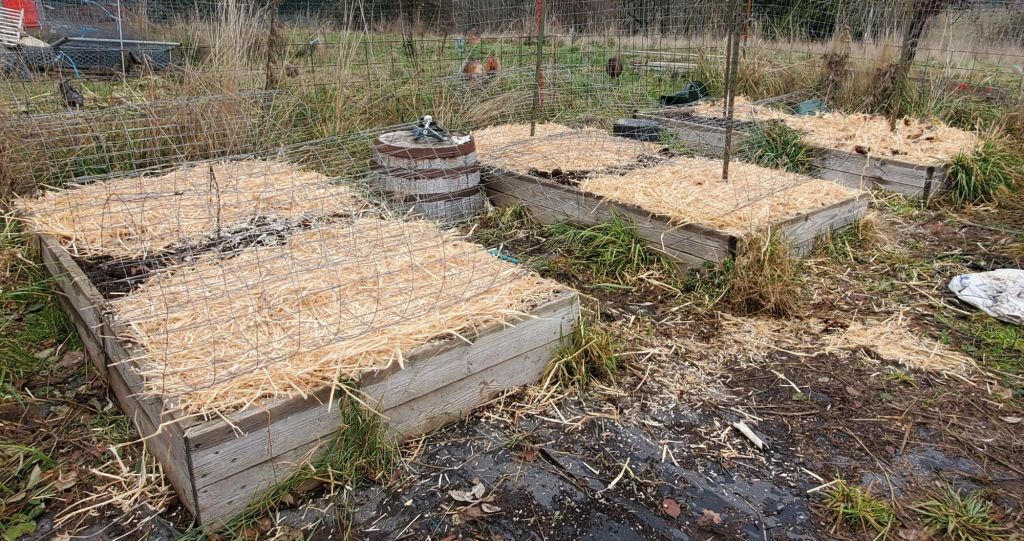
| Harvest begins: Scionwood (this is the prime window to clip dormant, pencil-thick twigs from your apples, pears, plums, and cherries. You store these cuttings in the refrigerator to graft onto new rootstocks in the spring) | Protect Tools: Drain hoses, turn off outdoor spigots, and oil hand tools. Mulch Empty Beds: Cover any bare soil with leaves or straw to prevent winter rains from washing away nutrients. Order Seeds: Use January to plan layouts and secure seeds before the spring rush begins. REST!!! |
Don’t forget to go to the Plant Compatibility Table for companion planting info as well.