We’re located in Molalla, Oregon in the foothills of the Cascade Mountains.
Our ranch is over a century old now, the original barn & outbuildings being built in the 1890’s where it used to be a draft horse stud ranch and wheat farm. The old farm house was built in 1917, with our family purchasing the ranch in 1937, adding cattle and wool sheep eventually.
Connie inherited the ranch house and 23.5 acres of the original plot from her family in the early-1980’s, and continued with sheep, the occasional steer, and horses for personal use instead of work. Most all of the old outbuildings are gone now and wheat fields belong to neighbors with cattle and horses roaming on them.
Our family ranch is a small, left-over, reminder of the old days and old ways.
The Barn
Back in the early days, when Connie’s Grandparents and then Uncle ran the farm, there were wool sheep: Suffolk mostly. When our immediate family took over the farm in the 1980’s the sheep were Suffolk and North Country Cheviot. In early 2000 we added our first St Croix ram to the flock to cross over the wool breeds. Not needing to crutch (shear around the udder and rear ends) for lambing season was fantastic! Wool prices had gone in the toilet so needing sheep that didn’t require as much shearing appealed to us.
We soon added Katahdins, more St Croix, and dabbled with other breeds such as Dorper, Barbados, and Black Hawaiian. We finally settled on predominantly St Croix and Katahdin flocks. We now have Registered St Croix (including a rare colored line!), Registered Katahdin and Commercial Recorded Katahdin sheep.

We keep around 25-30 head year round including the rams. Our goals right now are to continue to perpetuate the colored lines within the St Croix breed as well as keep our Katahdin flock going strong. One day all of the Recorded Katahdin sheep will get to the point they can be upgraded to Registered. We have one commercial line we may keep commercial however and breed our favorite lines together whether they are St Croix, Katahdin or some other mix of hair sheep. This will be our experimental line!
We keep a couple of guard llamas and an old mare out with the flock as predator deterrents as well.
The Coop
Way back in the old days of this ranch, there were huge chicken barns scattered around the property. Eventually they were torn down to make way for other things. When Amy was a kid, her folks resurrected a small coup and had a mixed flock of chickens that roamed the back yard. Every so often the rooster would chase Amy down and try to attack her so she got in the habit of carrying a stick just in case hahaha. That coop stood for several years until Amy’s father built a new one under the barn overhang. These chickens weren’t free range but had a fairly large coop to be in. So many breeds of chickens went through our coops in those days. We had Australorps, Buff Orphington, Rhode Island Red, Barred Rock, Brahma, Cochin, Bantams, even quail, pheasant and chukar passed through!
After the last chicken died from old age, we didn’t replace chickens for many many years. Instead we decided to get Geese in our Orchard. We had Toulouse, Pilgrim, Sebastopol, Tufted Roman, White Chinese, and a few other’s that came and went. Our best goose was Charlie, a White Chinese, who fell out of a passing truck and adopted Connie. He was so scared he wrapped his neck around her leg and wouldn’t let anyone else near her. He became the alarm system of the orchard. Anything that was amiss he would tell us about. We kept the geese until they too died of old age, and decided to not have any more birds for a while.
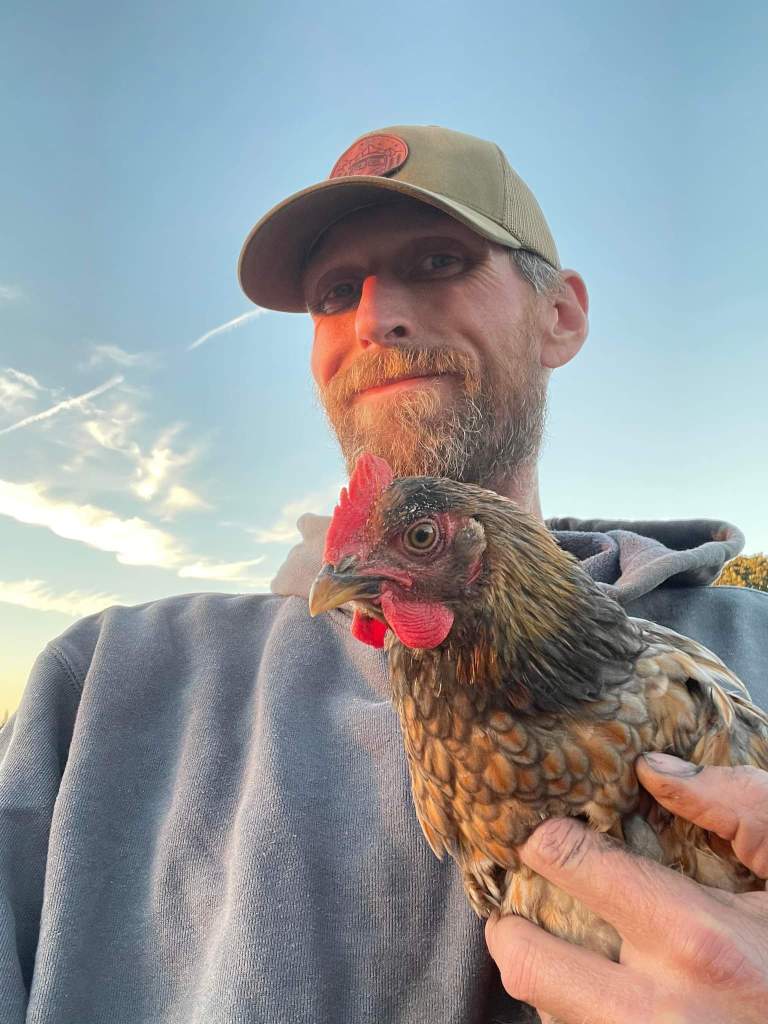
Then in 2022, Amy’s other half, Shane, decided we needed chickens! After a buying spree we ended up with 25 chicks from Wilco that April. We had Light Brahma, Barred Rock, Australorp, Dominant Copper, Americauna, Olive Egger, and Rhode Island Red. Fast forward to July and we added 25 Swedish Flower Hens (well about half were roosters that we either kept for breeding or added to our freezer eventually).
In early 2023 we suffered a raccoon attack that killed about 10 chickens. Such a major blow in one night! We ended up with one chick that was being raised by our hens coming inside to a brooder and HAD to get it friends as well. We ended up getting Buff Orphington, Calico Princess, and a couple Bantams. A couple of our Swedish Flower hens managed to hatch out some eggs out in the brush somewhere so now we have 5 more of those in our coop. The orchard is full of chickens!
Pictured is Shane with one of the Swedish Flower Hens.
We are considering getting back into geese sometime soon. We need something out there to eat the grass and be an alarm system again. Brown Chinese are the geese of choice for us in that capacity. I like how they rather blend in but are very noisy when something is going on that they aren’t sure of.
The Gardens
In the old days of Hollow Hills Ranch, there was almost always a garden and a few random fruit trees here and there. In early 2000’s the family put in an actual orchard of 29 trees. Due to some irrigation problems though, many of the trees have died. We still have one apple tree, one pear tree, and one peach tree left. We are currently in the process of restructuring the orchard and scaling back some of the fruit tree plans. We are considering planting the orchard into a food forest. Basically landscaping with food plants, pollinators, nitrogen fixers, and things with deep roots to bring nutrients to the surface. We will probably stick with mostly trees and tall shrubs out there though since we have chickens & eventually geese out there.
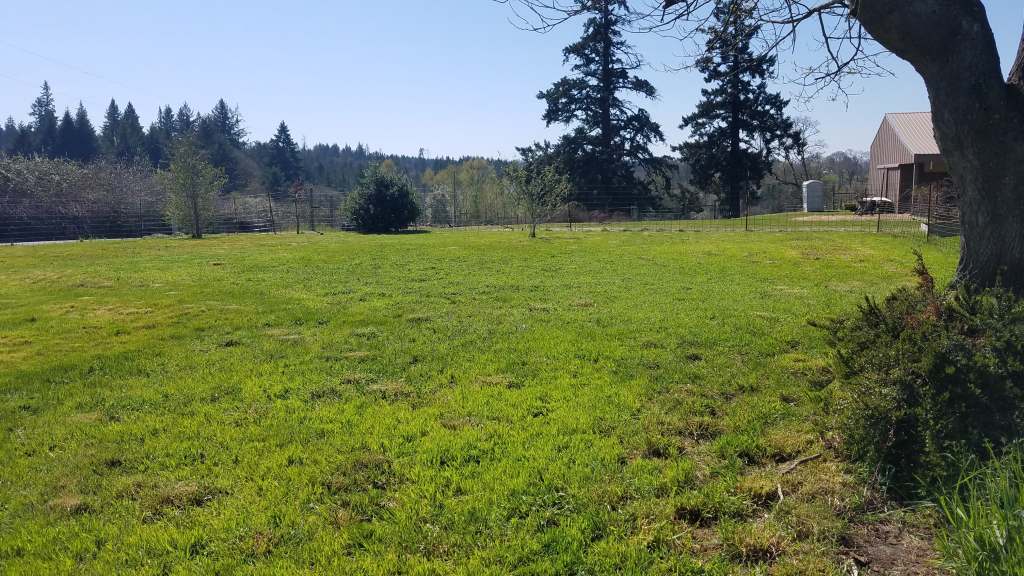
Our front yard has been sitting idle for many years, and a pain in the butt to mow. After talking it over with the boss (my mother), there will be 3 fairly large garden beds in close proximity to the barnyard where the compost pile will be located on the other side of the fence. It will be easy to add our kitchen scraps, barn cleanings, etc in that location.
The perimeter of the yard will be for pollinator friendly shrubs & perennials. We will also include water features for the frogs and dragonflies and pretty rock piles for the snakes. There will be a conifer tree planted in the Southwest corner of the yard where it won’t shade anything and will act as shelter for birds and pollinators. Once it gets larger, an edible/pollinator shade garden will go under it (maybe wood chips with some mushroom spore..hmm). There will be a hedge between the front and side yards, but as yet, not sure just what we want to do there.
Next to the house we will be planting things that aren’t edible, but still either pretty, pollinator friendly, or both! Reason being: old houses used to be painted with lead paint. As it flakes off the house it ends up in the dirt around the house, never leaving. Better for those Azaleas, Weigela, Daffodils, etc to have those areas!


The Herbalist
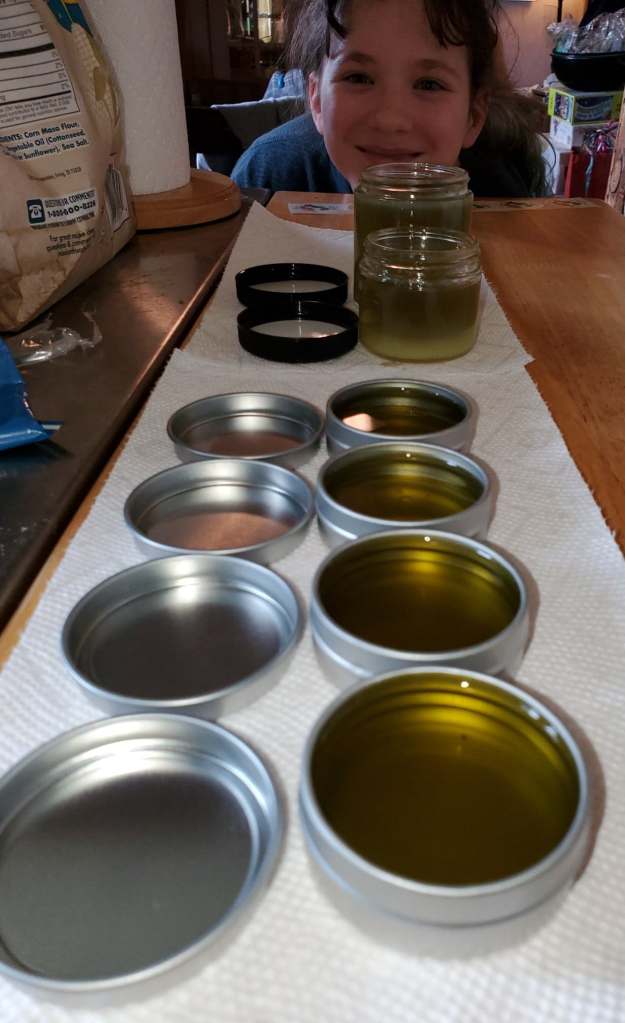
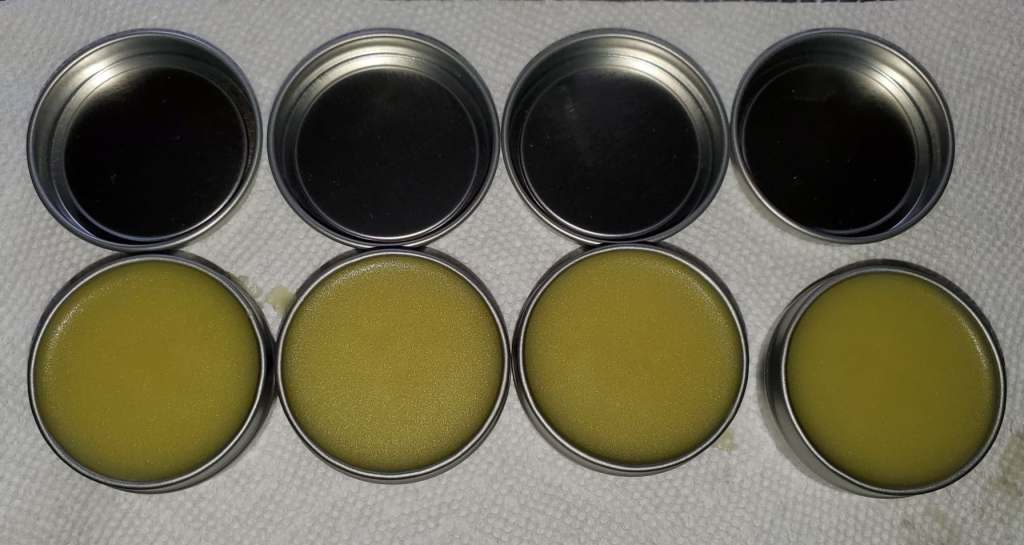
I began my learning of medicinal herbs around the time I started at a Naturopathic Doctor Office in November 2007. I still consider myself a novice, but love knowing what I know! I am studying Intermediate Herbal Course with The Herbal Academy so that I may make herbal topicals for my customers.
Early in 2021 I decided to start the Mushroom Course through the Herbal Academy. What a fun class! I learned the folklore, history, anatomy, uses, etc of mushrooms and other fungi. In fact it is something I will be incorporating in the food forest out in the orchard AND in some herbal remedies I will create in the future.

Right now I’m more focused on making things for family use or just trying things out to see what we like. I’m not set up to create on a more grandiose scale just yet. Our larger focus is getting the yard and orchard planted so more is at our disposal.
 Hollow Hills Ranch